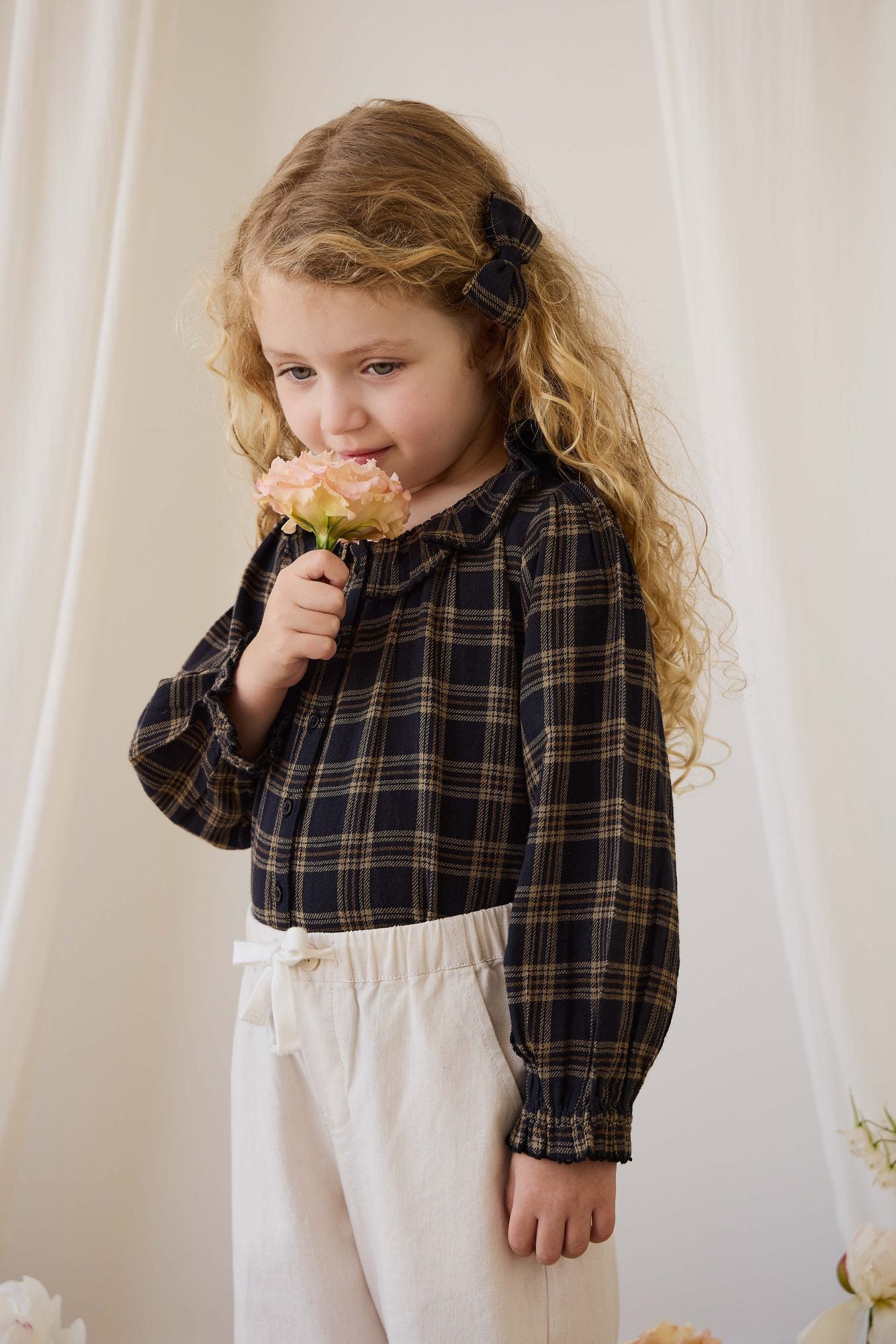
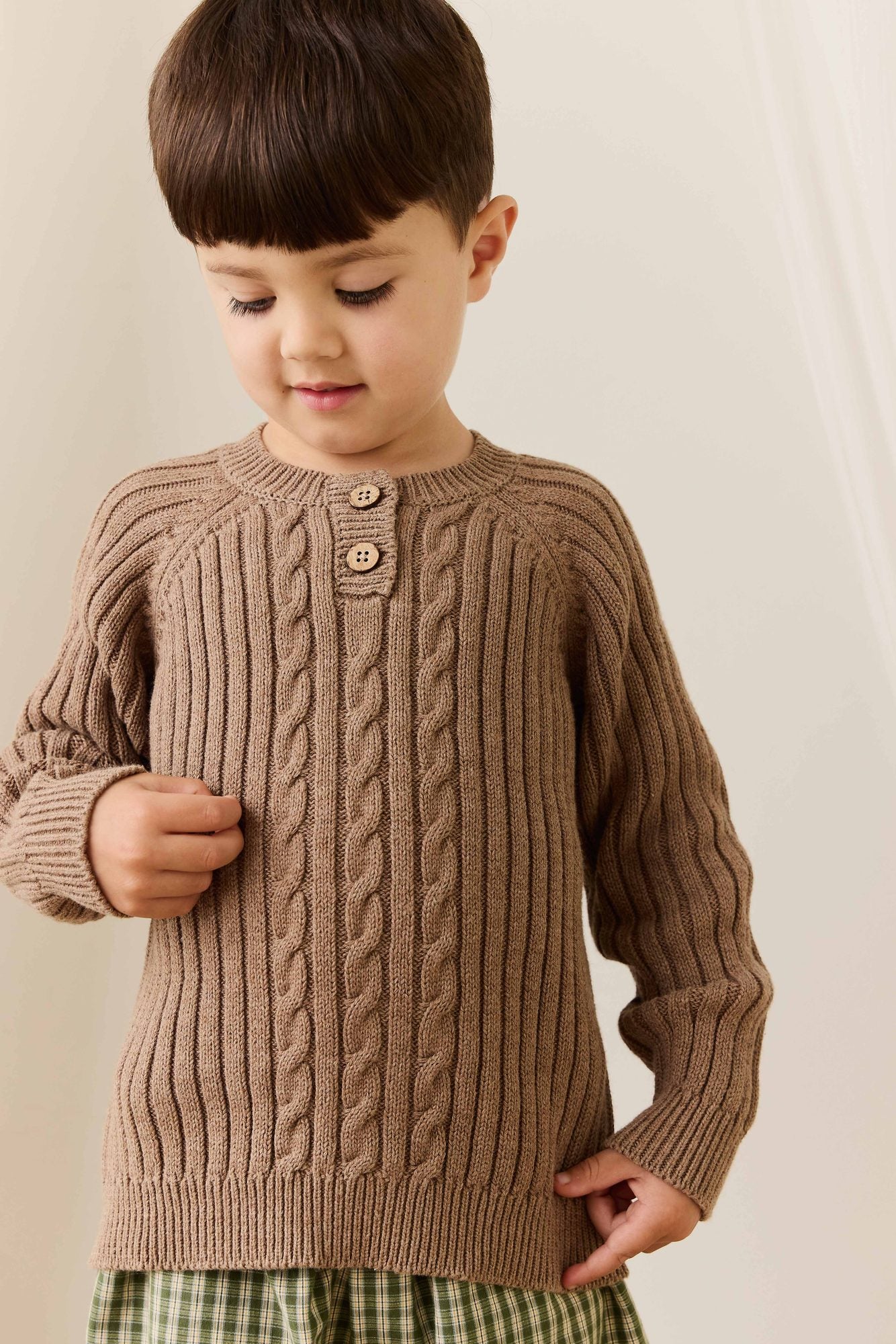
Choosing baby clothes that feel right against your child's skin, and last more than one season, comes down to a few practical things: fabric content, finish quality, and how the piece is constructed. Here's what we look at when we design our own range.
Why fabric matters
Babies' skin is roughly 30% thinner than adults'. They absorb more of what touches them, and they have less developed regulation against irritants. Soft, breathable, gentle fabrics aren't a luxury at this age, they're a sensible default.
What to look for on the label
- Fibre content. Aim for 95%+ natural fibres. A little elastane in waistbands and necklines is fine, it's what makes things stay on. Avoid pieces that are mostly polyester or acrylic.
- Where it was made. A brand that names its factories or regions is usually one that knows them.
- Care instructions. Pieces that say "cold wash, line dry" are usually made well. "Dry clean only" on a baby garment is a red flag.
How to build a small wardrobe that lasts
Babies grow out of sizes in 2-3 months. Buying volume rarely makes sense. What does make sense is buying fewer, better pieces and rotating them more often.
- 5,7 bodysuits in two adjacent sizes. They're the foundation.
- 3,4 pairs of leggings or footed pants.
- 2 sleepsuits for nights and naps.
- 1,2 cardigans or layering pieces for changing temperatures.
Buy a little big. Wash before wearing. Hand it down when you're done.
The one habit we'd recommend
Wash everything before the first wear, even if it looks clean. A single warm-cycle wash with a gentle detergent removes any finishing residues and softens the fabric noticeably.
This guide was written by the Kumfy Kids team based on our experience designing and selling children's clothing.